

Arte del caffè
Exploring the World of Coffee Art: Artigianato, Culture, and What It Means for Coffee Brands
A well-poured cappuccino communicates before it's tasted. The clean white heart or the layered tulip signals that someone paid attention to the espresso, the milk, and the moment of the pour. Coffee art has grown from a barista's private flourish into a discipline with its own techniques, judging criteria, and competitions. For roasters and coffee brands, it also shapes how customers perceive quality.
This guide covers where coffee art came from, how it works, and why it matters beyond the café counter.
What Is Coffee Art?
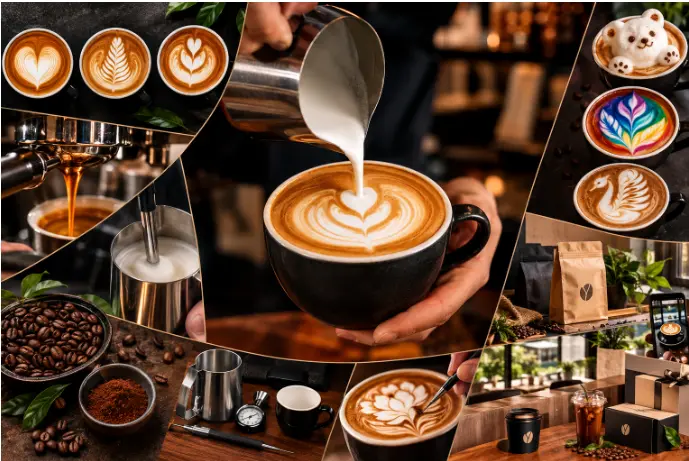
Coffee art, most often called latte art, is the practice of creating designs on the surface of espresso-based drinks. The most common method is free pouring, where steamed milk is poured into espresso so the white foam contrasts against the brown crema. Related techniques include etching, stenciling, layering, and foam sculpting.
It is more than decoration. A clear pattern depends on well-extracted espresso and correctly textured milk, so the finished design is a visible sign of technical control.
A Short History
Latte art grew out of Italian espresso culture and took shape in the 1980s in two places. In Seattle, David Schomer of Espresso Vivace studied how microfoam behaves and codified movements that modern pouring still builds on. In Italy, Luigi Lupi developed his own style of cappuccino decoration and became one of Europe's early pioneers.
Through the 1990s and 2000s the craft spread with the specialty coffee movement. American and Japanese baristas pushed it toward more elaborate designs, including three-dimensional foam figures that rise above the cup. Today competitions such as the World Latte Art Championship and grading systems like the Latte Art Grading System give the craft formal standards. Championship culture also drives much of the industry's attention to detail (see our coverage in Campionati Mondiali di Caffè).
The Foundation: Espresso and Milk
The pour gets the attention, but the pattern is decided earlier.
Espresso. A well-extracted shot with a stable, reddish-brown crema is the canvas. A thin or broken crema makes even a skilled pour look muddy. Bean freshness plays a direct role here, since stale coffee produces weak crema.
Milk. Whole milk is the standard because its proteins, fats, and sugars build stable microfoam. Barista-grade oat, soy, and almond milks can also perform well when they contain enough protein and suitable stabilizers.
Texture. The target is microfoam that looks glossy and flows like wet paint. Steaming has two phases:
- Stretching: the steam wand sits just below the surface, introducing air with a soft, steady hiss.
- Polishing: the milk is spun into a vortex to integrate the air evenly. Skipping this lets liquid and foam separate in the pitcher, and the pour fails before it begins.
A common milk temperature target is roughly 65–68°C (150–155°F).
Essential Tools
You don't need extravagant equipment, but some basics are non-negotiable:
- An espresso machine with a steam wand powerful enough to texture milk
- A stainless steel pitcher with a pointed spout (intorno 300 ml for one drink, 500 ml for two)
- A thermometer while you're learning
- A wide, rounded cup with a thin rim for visibility and control
- An etching pen and optional cocoa or syrups for detail work
The Three Core Patterns
Heart. Pour from about 10 cm above the cup, aiming for the center. When the cup is about one-third full, lower the pitcher close to the surface and increase the flow. Once a white circle forms, cut through it with a forward motion and lift away.
Rosetta. Start like the heart. When the pitcher is low, wiggle it side to side while slowly drawing back toward the rim. Finish by lifting and pulling straight through the pattern to form the stem.
Tulip. Pour a series of small stacked dots, pausing between each and moving the pitcher slightly back. End with a lift and a single cut through all the layers.
All three come down to two variables: pour height e flow rate. A high, slow pour sends milk beneath the crema. A low, faster pour lets it float on top and draw the pattern.
How Designs Are Judged
Competition judges focus mainly on two criteria, and both are useful for diagnosing your own pours.
- Symmetry: the pattern is centered, bilanciato, and evenly proportioned. Keeping the pitcher straight and square to the cup handle prevents drifting.
- Contrasto: the white of the milk stands out clearly against the crema. Tilting the cup and pouring from height at the start builds a clean brown background.
Beyond the Basics
Once the fundamentals are dependable, there are many directions to explore:
- Etching: Drawing into the foam adds fine detail such as faces, flowers, and lines that pouring alone can't achieve.
- Layered designs: Pouring at different heights and speeds builds distinct layers and more complex patterns like swans.
- Colore: Syrups, cocoa, and edible colorings add vibrant tones. Latte artist Dhan Tamang is known for popularizing multicolored designs.
- 3D foam art: Thick foam is sculpted into figures that sit above the cup's surface, a style especially associated with Japanese baristas.
- Other drinks: Cappuccinos, macchiatos, Cioccolata calda, and matcha lattes each offer a different canvas.
Technology and the Craft
Better espresso machines now offer more steam control and consistency. Newer tools, including 3D latte printers and design apps, can reproduce detailed images on the surface of a drink. They don't replace manual skill, but they widen who can take part. Social media has changed the scene as well, since a well-photographed cup can travel much further than the café that made it.
Why Coffee Art Matters for Roasters and Coffee Brands
For anyone selling coffee, latte art works as a visual marketing channel and a quality signal. Three connections are worth considering.
It shapes customer perception. A well-poured drink suggests care, and customers tend to extend that impression to the coffee itself. Cafés with strong presentation earn photos, Quote, and repeat visits, which benefits the roasters who supply them.
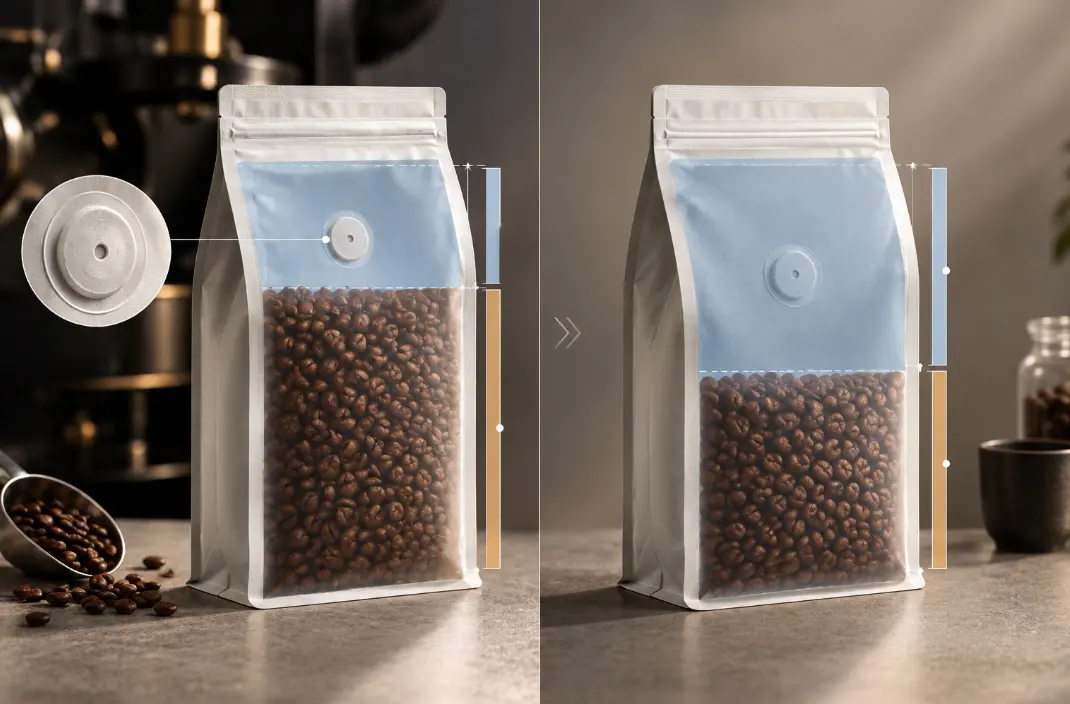
It creates a consistent brand experience. The best-run coffee brands treat every touchpoint as part of one system, from the drink in the cup to the bag on the shelf. A café that pours beautiful drinks while selling beans in generic packaging leaves value unclaimed. Matching the look of the retail bag, Scatola, or takeaway packaging to the quality of the pour keeps the story consistent. We cover this in more depth in Confezioni personalizzate per caffè: Come costruire un sistema di brand completo.
It extends beyond the espresso bar. Coffee art has inspired a wider culture of presentation, and the same attention to detail carries into other formats:
- Produzione casalinga: Drip coffee and pour-over products let customers reproduce a café-quality ritual at home. Vedi Soluzioni per caffè a goccia e il Serie V60 Glass Drip.
- Ready-to-drink: Chilled and iced coffee bottles carry a brand's design into a different serving format. Vedi Bevande al caffè.
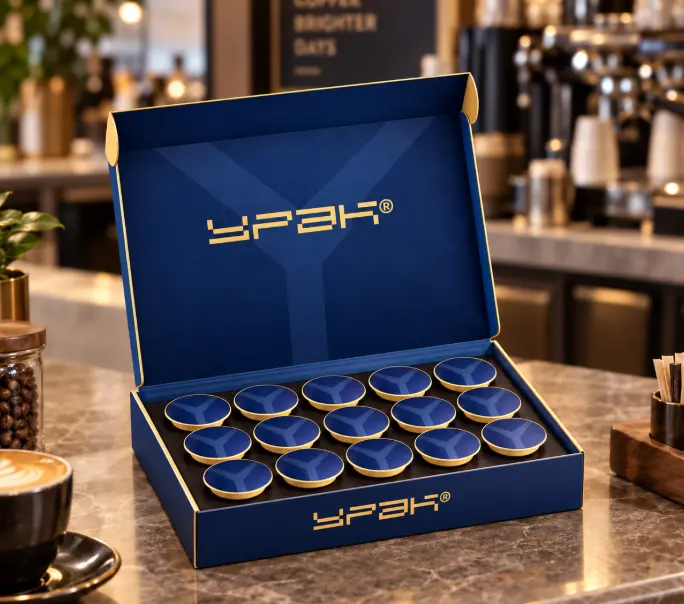
- Gifting: Coffee gift boxes suit the same audience that photographs and shares its drinks. Vedi Scatole regalo per caffè.
Common Problems and How to Fix Them
- Large bubbles in the milk: Too much air was introduced, or too late. Keep the wand tip just below the surface and stop stretching earlier.
- Foam separating in the pitcher: The vortex was weak or skipped. Spin the milk, swirl the pitcher, and pour promptly.
- A lopsided or drifting pattern: Check that the pitcher is straight and pouring from the center of the cup.
- Weak contrast: Pour from higher at the start and avoid disturbing the crema.
How to Practice
Consistency comes from repetition. Many baristas practice with water and a little dish detergent in the pitcher, which mimics steamed milk without wasting any. Start with hearts until they are reliable, then move to rosettas and tulips, and only then attempt etching or 3D work. Filming your pours lets you see what your hands are doing, and coaching from a trained barista shortens the learning curve considerably.
Considerazioni finali
Coffee art rewards attention: good beans, well-extracted espresso, properly textured milk, and a steady hand all have to come together. For baristas it is a craft with room to keep improving. For roasters and coffee brands it is a reminder that customers judge quality through everything they see, from the pour in the cup to the packaging in their hands.
If you're building a coffee brand and want the packaging to match the quality of what's inside, our team can help with Progetto and low-MOQ custom production. You can start with Costruisci la tua busta di caffè.